A decade on, ‘Pokémon Go to the polls’ still haunts the internet
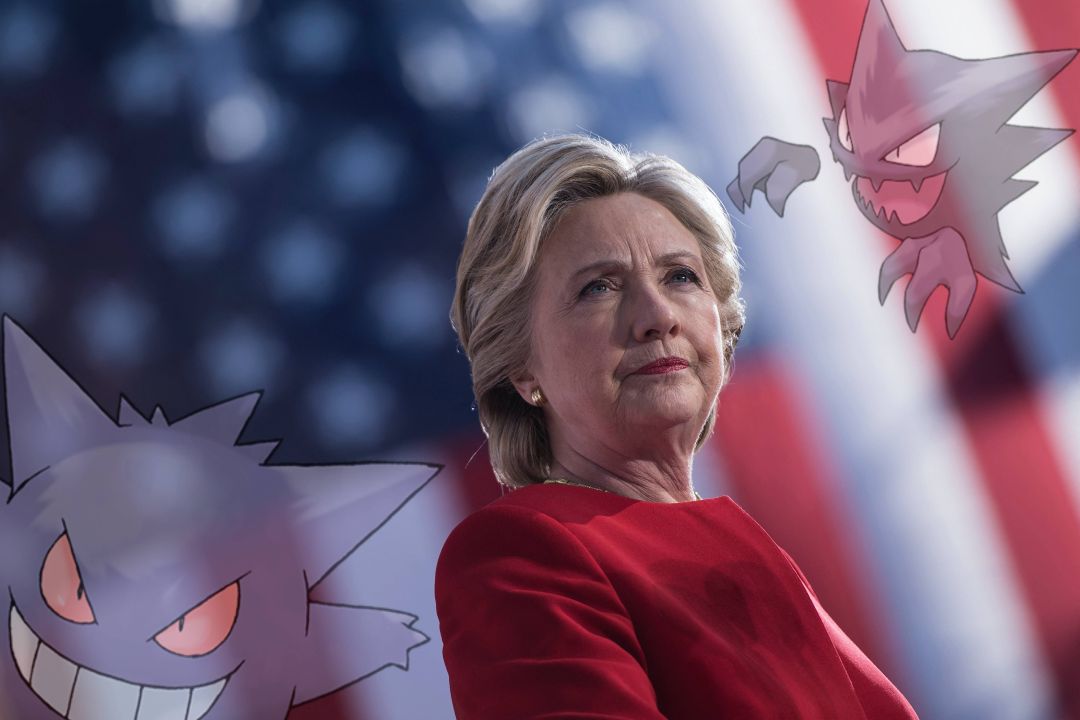
Ahead of a presidential election that would reshape American culture in ways no one could dispute, Hillary Clinton spoke at a campaign rally in Virginia. She was bidding to become the country’s first female president. Pitching job growth in fields from infrastructure to software, she said: “We’re going to have a lot of jobs, from building infrastructure to coding and creating new apps. I don’t know who created Pokémon GO, but I’m trying to figure out how we get them to have Pokémon Go to the polls.”
A decade later, Election Day has come around again in the United States. Most app developers no longer write their own code, since AI now handles much of that work. Pokémon GO has also been sold to a company fully owned by Saudi Arabia’s sovereign wealth fund. What hasn’t changed is that “Pokémon Go to the polls” memes still pop up every Election Day.
“It was very bold and confident, but it also sounded terribly out of touch and cheesy,” said Cesar Ruiz de Castilla, an elected ward committee member in Philadelphia. “I’m not sure mainstream media cared that much, but everyone was making memes about it and talking about it online.”
Since then, digital culture has become deeply tied to the fate of American politics. Donald Trump tweeted his way through his first term before launching his own social media platform. Campaigns now hire “meme managers,” and the White House has invited podcasters and content creators to its press briefings. Elon Musk even set up an advisory group under Trump that took its name from the Doge meme, and it went on to cut international aid programs.
“The 2016 election was a huge moment in internet history, and we were all there for it. Our politics have become not just divided but segmented online,” said Organizer Memes, a political influencer who teaches young activists how to reach their peers through memes. “It’s a relic of an optimistic political era that’s long gone.”
Today, people too young to vote in 2016 describe that year as a cultural turning point, and some even call it “the last good year.” The sentiment is less about politics than nostalgia for an earlier internet, before AI-generated slop, when social media was mainly about staying in touch with friends instead of scrolling an algorithmic feed full of accounts you don’t follow.
At the start of the new year, that longing turned into a viral trend, as millions of people posted throwback photos from 2016 on Instagram. Spotify reported that playlists with “2016” in their titles jumped 790% in the first three weeks of January, and for a time the company changed its Instagram bio to “romanticizing 2016 again.”
Yet even before the election, many people saw 2016 as a cursed year. Months earlier, one Slate columnist asked how it compared with 1348, the year the Black Death reached Europe.
“[Pokémon Go to the polls] belongs to the era of the singular internet, when Facebook, Twitter and Tumblr were passing content back and forth, rather than the chaotic mess of 25 platforms we have now and mostly ignore,” Organizer Memes said.
Organizer Memes also points out that moments that felt enormous at the time, like the obsession with Harambe the gorilla, haven’t lasted nearly as long as “Pokémon Go to the polls.”
Part of the reason may be that the joke resurfaces every few years on Election Day, and that it works for both sides of the aisle. Conservatives use it to poke fun at Democrats, while liberals often groan at it in embarrassment.
“It’s like when all the kids in a class are cracking a joke, and then the teacher joins in, and suddenly it isn’t funny anymore,” said Mack Finkel, who canvassed at the polls on Tuesday for a healthcare workers’ union. “There’s a real millennial cringe at the core of this. It’s the same reason all my friends are rewatching HBO’s ‘Girls.’”
Clinton’s corny remark from a decade ago can be seen as a forerunner of the “Kamala is brat” meme. Harris’s record as a prosecutor initially turned off some younger, left-leaning voters, but they rallied behind her once she became the only realistic alternative to Trump. Gen Z supporters made flashy, absurdist fan-cam-style edits of her sharpest lines, styled after Charli XCX’s album “Brat,” which defined the summer of 2024.
“Earlier, the comments I saw about Harris mocked her for being a cop, pointing to her time as California’s attorney general and her truancy laws,” said Jess Rauchberg, an assistant professor of communications at the University of Leeds, in an interview at the time. “Now we see that same meme-driven style, but it’s an endorsement.”
It’s hard to pin down why “Pokémon Go to the polls” jokes still land. Whether people are mocking Clinton or showing solidarity with those who keep turning out to vote, the joke persists even as each passing year leaves many feeling more cynical.
The phrase works as a nudge to friends to make time to vote and take Election Day seriously. It also voices frustration with aging lawmakers who have never known what it’s like to come of age with social media. It’s wrapped in enough irony to sound jaded, yet at heart it’s a sincere plea: please, just go vote.