Could Licensing Your AI Face to a Microdrama Studio Be Hollywood's Next Big Shift?
Much of what the microdrama startup Shortical publishes looks like everything else in the genre: melodramatic plots, mostly steamy romances, and two-minute episodes built to keep viewers tapping “next” to find out what happens.
Shortical, which launched last January, earns most of its revenue from subscriptions. Each show’s first seven to ten episodes are usually free. After that, viewers pay a modest monthly fee to unlock the rest of the catalog.
Over the past year, the company has released a steady run of live-action hits, including “Crossing the Line with My Neighbor,” “Accidentally Married My Boss,” and “Spoiled by My Billionaire Sugar Daddy.” Lately, though, its homepage has filled with AI-generated shows. The logic is easy to see. AI slashes production costs, while the payoff can be large if the content finds an audience.
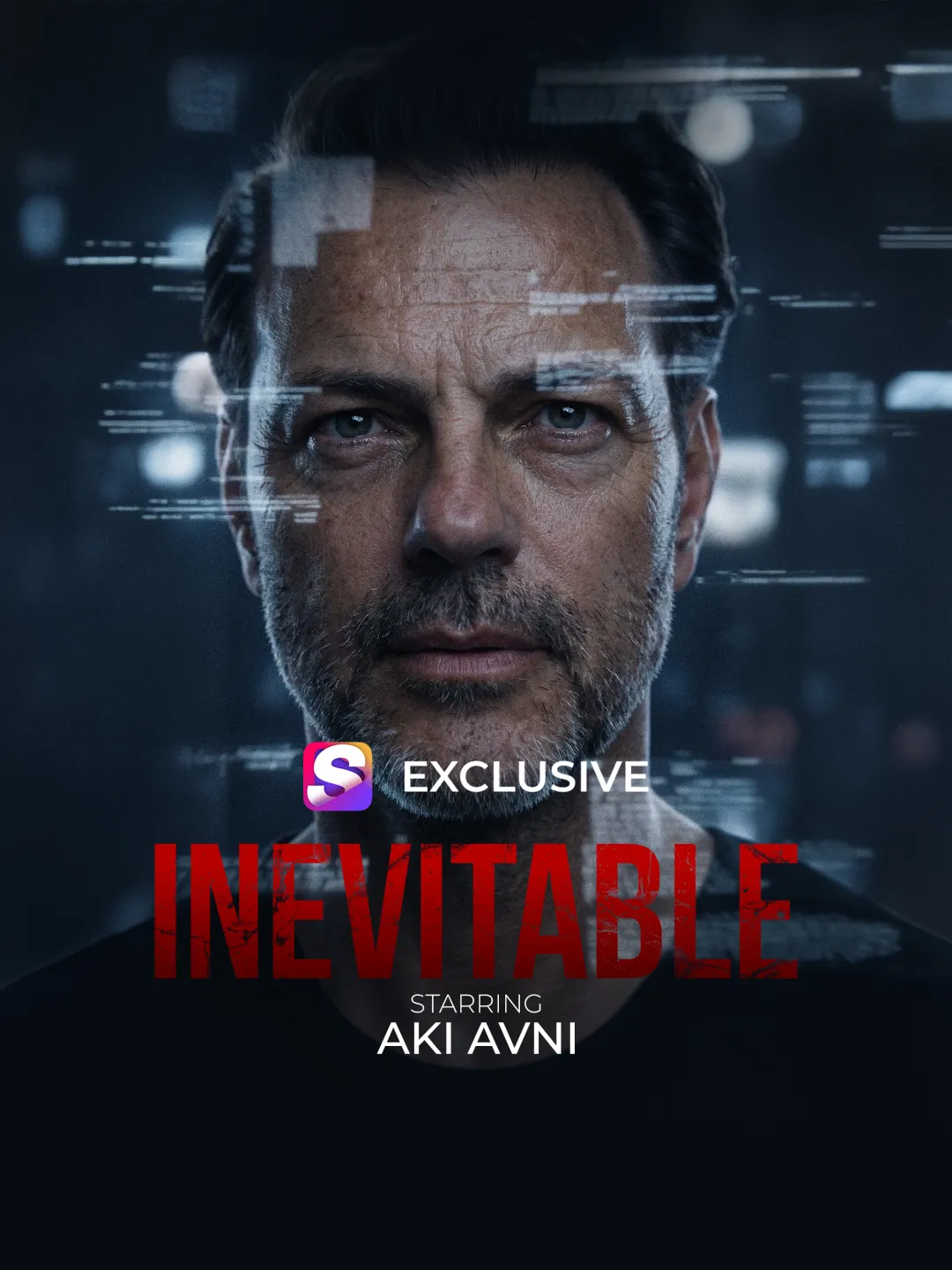
The company’s newest series premiered in Los Angeles last week. Titled “Inevitable,” it stars Aki Avni, an Israeli film and television actor who has worked in American productions for years, including a role on Fox’s 9/11-era thriller “24” long ago. What sets the project apart is that Avni has agreed to license his face to Shortical for AI content, a move that is rare in mainstream Hollywood today.
The show is entirely AI-generated, built around a digital avatar of Avni. He plays a version of himself in a self-referential story: an actor named Aki Avni licenses his face to a studio, and a string of thriller-style events follows.
It is Shortical’s first deal of this kind, though it probably won’t be the last.
Avni said he felt both nervous and excited about the project. He sees this as a new era for performers, describing AI as a fresh art form and a new format, and he said there is real appeal in being a pioneer.
Shortical’s CEO, Guy Shimoni, argues that the technology lets small teams produce films on a grand scale. Mobile-first live-action series have always been limited by budget, he said, but AI makes epic fantasy possible, with kingdoms, dragons, superheroes, and werewolves.
That naturally raises the question of who wants to watch AI-generated werewolf romances. Quite a few people, it seems. China has the largest microdrama audience in the world, but Shimoni says most of his platform’s viewers are in the U.S. The audience skews heavily female, and many people reportedly use these shows to wind down at night, getting a small jolt of pleasure as they drift off. Several AI-generated titles on the site have reportedly racked up millions of views.
Shortical is now wagering on a new kind of creator: people willing to rent out their likeness for pay. Its website promotes a “License Your Face” program, inviting people to submit their social media handles. The company then decides whether to offer a contract that spells out how their persona can be used in its AI content.
A company representative said the program is still in its early days and has not yet produced any signed contracts. The Avni series is the first time Shortical has used a real person’s likeness, and the deal was struck directly with him rather than through the platform. The company hopes the show will draw more attention to face licensing and plans to promote the offering more actively after the launch.
The trend is further along in China, where microdramas began and where both AI content and face licensing are common. However, it may not be very lucrative for the people involved. A recent Rest of World report found that microdrama companies there paid individuals between US$15 and US$700 for the rights to their facial likeness.
Shortical won’t say how much it pays under its face-licensing deals. Asked whether creators would receive royalties similar to television residuals, Shimoni said it would be decided case by case. A representative declined to disclose the amount for Avni’s contract, but said he joined the project as a partner and was paid in line with industry rates for a comparable non-AI acting role.
Other performers may not receive the same terms, however. Many creatives are understandably uneasy about automation creeping into their field. Microdramas once seemed like an accessible starting point, where young actors could gain set experience and sharpen their craft. Now, companies are cutting staff and producing shows that don’t need human actors at all.
Jennifer Cooper, a longtime observer of the industry who founded the consultancy Vertical Drama Love, says distrust of AI runs deep, both among audiences and within the microdrama world itself. “Everyone has been affected by AI,” she said. “Many of us have either lost work to it or can see how badly it has damaged an industry that was growing and creating jobs, especially for young people. It has been decimated.”
Consent is another major concern. Some creators claim their likenesses have been taken without permission, and Shortical’s face-licensing push is clearly an attempt to address that problem.
Still, these licensing deals could also push the industry toward gig-style work. Creators might team up with a distributor to showcase their content, or their face, and earn payouts based on the engagement they generate. Shortical recently partnered with Payouts.com, a payment platform for creator and gig-economy disbursements, to build a system that would let creators work with Shortical and get paid smoothly.
Cooper believes the rush toward AI is largely driven by money. Most microdrama companies are startups, and investors want to hear about automation in a pitch. “To get funding in microdramas right now, you have to say AI,” she said. “In everyone’s eyes, AI equals gold.”
Despite the investment pouring into the sector, Cooper is skeptical that there is strong demand for this kind of content. “Some of it gets views, but a lot of it doesn’t,” she said. “I think it’s being pushed onto audiences more than audiences are asking for it.”