SoftBank's Costly Turbine Gamble May Mark the Limit of AI's Gas Boom
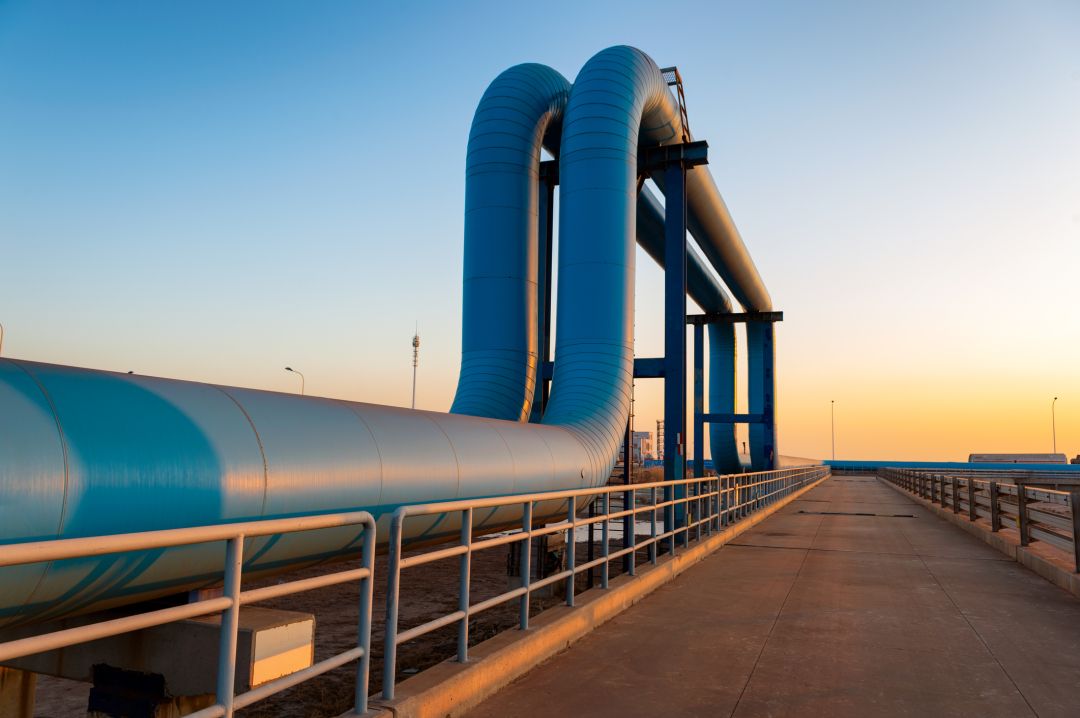
SoftBank rarely sits out a hot trend, and when it jumps in, it tends to go all the way. The company committed $30 billion to OpenAI in early 2025. In February, its SB Energy subsidiary said it would spend $33 billion on a 9.2-gigawatt natural gas power plant. If it couldn't be first, it aimed to be the biggest.
That same mindset seems to have shaped its equipment purchases. About two years ago, SoftBank reportedly began putting down deposits on more than 13 gigawatts of turbines, nearly 50% more than it needed.
Over-ordering likely helped it secure turbines quickly and keep its projects on schedule. "SB Energy really had no option but to overbook future turbines if it wanted some right away," said Peter Gardett, CEO of Noreva, in an emailed response.
The energy sector was caught off guard by how quickly and how dramatically AI's power needs grew. Turbine order backlogs now reach into the early 2030s. As natural gas emerged as a leading power source for the AI buildout, CEO Masayoshi Son wagered that his firm's large pool of capital could claim a significant share of that market. In his view, if AI companies needed power for their data centers, they would have to come to SoftBank.
That bet now looks shaky. On Tuesday, SoftBank reported a $7.1 billion quarterly loss, more than half of which came from write-downs tied to power-generation equipment. The company had paid turbine makers nonrefundable deposits to lock in orders, and it now considers much of that money lost.
Gardett called the charge a costly lesson in pricing. Rather than pay a fair price and still risk coming up short on turbines, SoftBank overpaid and overordered. "This charge is simply the market price finally being discovered," he said.
The size of the misstep, over $3 billion, highlights how caught up the AI industry has become in the race for electricity. With grid connections taking years, many hyperscalers and developers have turned to natural gas as a familiar, proven fallback that offers a sense of energy security.
As data centers run longer, operators are learning more about what it takes to keep them running reliably. Natural gas may look like a safe bet, but risks remain, including winter supply cutbacks when demand spikes. Brent Nelson, senior managing director of markets and strategy at Ascend Analytics, made this point in a podcast interview on Wednesday.
Nelson argued that the grid may still be the smartest option. Most data centers would be better served by a grid connection, though a smaller one than they typically request. To cover the difference, he said, large batteries are a cost-effective solution. They can shave peak demand or help a facility ride out utility requests to reduce power use.
Operators may be reaching the same conclusion, which could mean the natural gas market grows more slowly than SoftBank expected.
SoftBank's gas-related losses are unlikely to trigger a wave of canceled gas power plants, since AI's electricity demand still looks too large for that. For now, natural gas remains in high demand, though SoftBank may have found its ceiling.