Tesla Is Ending Cybertruck Production in 2027
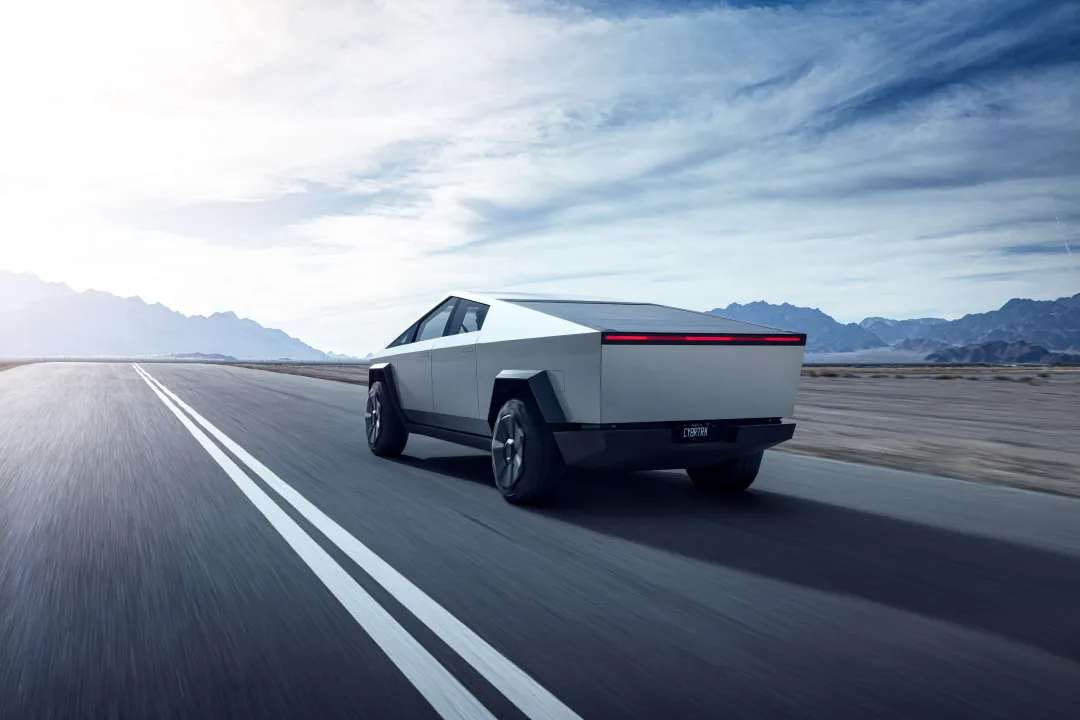
Tesla will stop building the Cybertruck next year, Elon Musk said on X. He added that the company plans to use the factory space to produce more two-seat Cybercab robotaxis. The move ends the road for the angular, steel-clad electric pickup after only a few years of weak sales.
When Musk began handing over the first trucks in late 2023, he predicted Tesla would sell about 250,000 a year. The vehicle was meant to anchor the company's future so firmly that Tesla called its Texas plant the “Cybertruck factory” while it was still under construction. In reality, Tesla has sold only tens of thousands in total over the past three years.
The decision fits Tesla's push to reposition itself as a company centered on AI and robotics, with robotaxis at the core. Over the past two months, Tesla has put Cybercabs on the streets of Austin, its home city, and reports no major incidents so far. The company plans to expand the service, starting with Dallas later this month. It already runs robotaxi versions of the Model Y in Austin, Houston, Dallas, and three cities in Florida.
The Cybertruck is the third product Tesla has dropped to free up resources for these bigger goals. Earlier this year, it ended production of the Model S sedan and Model X SUV and converted that factory space to build Optimus humanoid robots.
Musk unveiled the Cybertruck in 2019 and was deeply invested in it. On an earnings call that year, he said the pickup was probably his favorite upcoming product.
He promised a radical design inspired by cyberpunk science fiction such as Blade Runner. The styling certainly delivered on that front, but Tesla overpromised on the basics from the start. At the 2019 reveal, head designer Franz von Holzhausen famously cracked the truck's windows with steel balls, and Tesla said it would start below $40,000 and offer up to 500 miles of range. It achieved neither.
The launch slipped by two years, partly because of the COVID-19 pandemic. When deliveries finally began in late 2023, the handover event was short and a bit unusual even by Tesla's standards. A dimly lit Musk stood in a truck bed, calling the vehicle the best apocalypse gear available and suited to “late civilization vibes.” By then the base price had climbed to around $60,000, and the top range had dropped by more than 100 miles.
Sales struggled from the start. The polarizing design never fully won over buyers, especially at a price higher than they expected. In 2024, its first full year on sale, Musk became a major financial backer of Donald Trump, which made the instantly recognizable truck a target for protesters. The backlash continued in 2025, when Musk led the so-called Department of Government Efficiency, which dismissed thousands of federal workers.