Why Founder Summit in Boston on November 4 is about more than the schedule
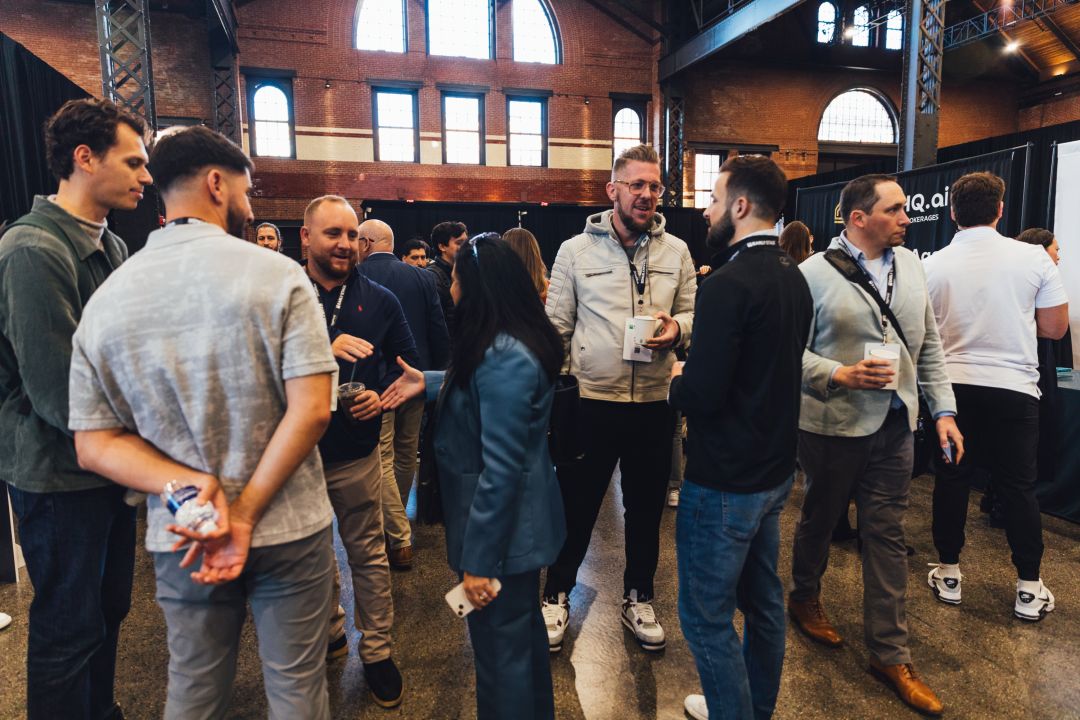
Some of the most valuable lessons at a founder event come from a great session. Others come from the conversation that starts five minutes after it ends. Founder Summit 2026 is built to support both. On November 4, founders and investors will gather at SoWa Power Station in Boston for a day of practical learning, frank discussion, live pitches, small roundtables, and networking.
Early registration saves up to $100 on a pass, and you can get a second pass free. Group bundles save up to 30%.
Start with the Build Stage
The Build Stage is for the decisions founders make while they are still shaping, testing, and growing their companies. Its sessions cover the practical side of building a business, including distribution, fundraising, team building, and pitching.
- Hunter Worland of NEA opens the day by explaining why distribution can become a startup's next competitive edge, particularly when great technology alone won't win customers.
- Kristen Craft of Fidelity Private Shares offers an up-to-date look at fundraising trends and how the shifting capital market should shape your next raise.
- Dave Balter of True Ventures and Edisyl asks a simple question with a hard answer: does your pitch earn the next conversation?
The stage also covers how to build high-performing teams and how to sharpen the story you tell investors, customers, and future hires. Everything here is practical enough to apply at your company right away.
Step back with the Impact Stage
If the Build Stage is about generating momentum, the Impact Stage looks at what happens once that momentum is real. The discussions cover bigger questions: product-market fit, scaling, enterprise relationships, leadership, and long-term growth.
- Steve Fredette, president, co-founder, and director of Toast, shares how he built and scaled one of Boston's best-known startup success stories.
- Rudina Seseri, founder and managing partner of Glasswing Ventures, looks at the tension every founder eventually faces: when to accelerate, and when slowing down may be what protects the business.
- Kent Bennett of Bessemer Venture Partners examines whether the signals you're seeing really justify the next stage of growth, before you scale.
- Chase Garbarino, CEO and co-founder of HqO, presents the Boston Founder Playbook and makes the case for building ambitious companies outside the Bay Area.
This stage gives founders a chance to pause and ask whether they are scaling the right things, in the right way, at the right time.
Get specific in the roundtables
Main Stage sessions offer perspective. The roundtables offer room to dig into specifics. They focus on narrow problems many founders are working through right now, such as entering difficult verticals, earning enterprise trust, building lean teams, and winning over major customers.
- Chirag Shah of Define Ventures explores what happens when your first market is also one of the hardest to break into.
- Shishir Tewari of Procore Technologies gets technical about reducing AI hallucinations using better enterprise context.
- Merve Kitapci of ADIN.AI explains how to land large global customers before a Series A.
- Andy Tang of Draper Associates asks what you should do when you're building something the market doesn't have a name for yet.
- Linden Tibbets of IFTTT considers how AI may change assumptions about team size, productivity, and what a small company can achieve.
Because these sessions are interactive, you can bring your own questions, compare experiences with the people at your table, and leave with ideas that fit your actual business.
Watch pitch advice tested live
In the “So You Think You Can Pitch?” session, founders make their case to investors in real time. The panel includes Dave Balter, Chirag Shah, and Simran Suri of Maveron.
It's one of the most engaging parts of the day. You can see what catches an investor's attention, where a story loses momentum, and which questions come up right away. If you're getting ready to raise money, sell, recruit, or simply explain your company more clearly, watching those reactions firsthand is extremely useful.
Make connections on purpose with Braindate
The Networking Lounge, powered by Braindate, gives attendees a structured way to connect throughout the day. You can book a one-on-one conversation, join a small group, or find someone dealing with the exact challenge you're facing.
Attend a session on product-market fit and then find another founder working through the same problem. Watch the pitch competition and compare notes with someone preparing for their own raise. Braindate turns what you learn in the sessions into real conversations.
Keep the conversations going at the closing reception
The day ends with a closing reception presented by Fidelity Private Shares. It gives you time to keep talking without rushing off to the next session.
Some of the best connections happen after people have shared a room, a question, or a conversation earlier in the day, and the reception is built for that.
One day, many ways to learn
Founder Summit isn't a single kind of conference. The Build Stage offers lessons you can use immediately. The Impact Stage addresses bigger decisions about growth and leadership. The roundtables let you ask questions and dig deeper. The live pitch competition tests founder storytelling. Braindate makes networking intentional, and the reception gives everyone a place to continue the discussion. That combination is what makes the day worthwhile.
Bring a partner and cover more ground
Founder Summit 2026 takes place on November 4 at SoWa Power Station in Boston. Passes include breakout sessions, roundtables, Braindate networking, the Expo Hall, and access to session materials after the event.
If you buy one pass, you can get a second one free. Bring a co-founder, a partner, or the person you'd be sharing session takeaways with all day anyway.